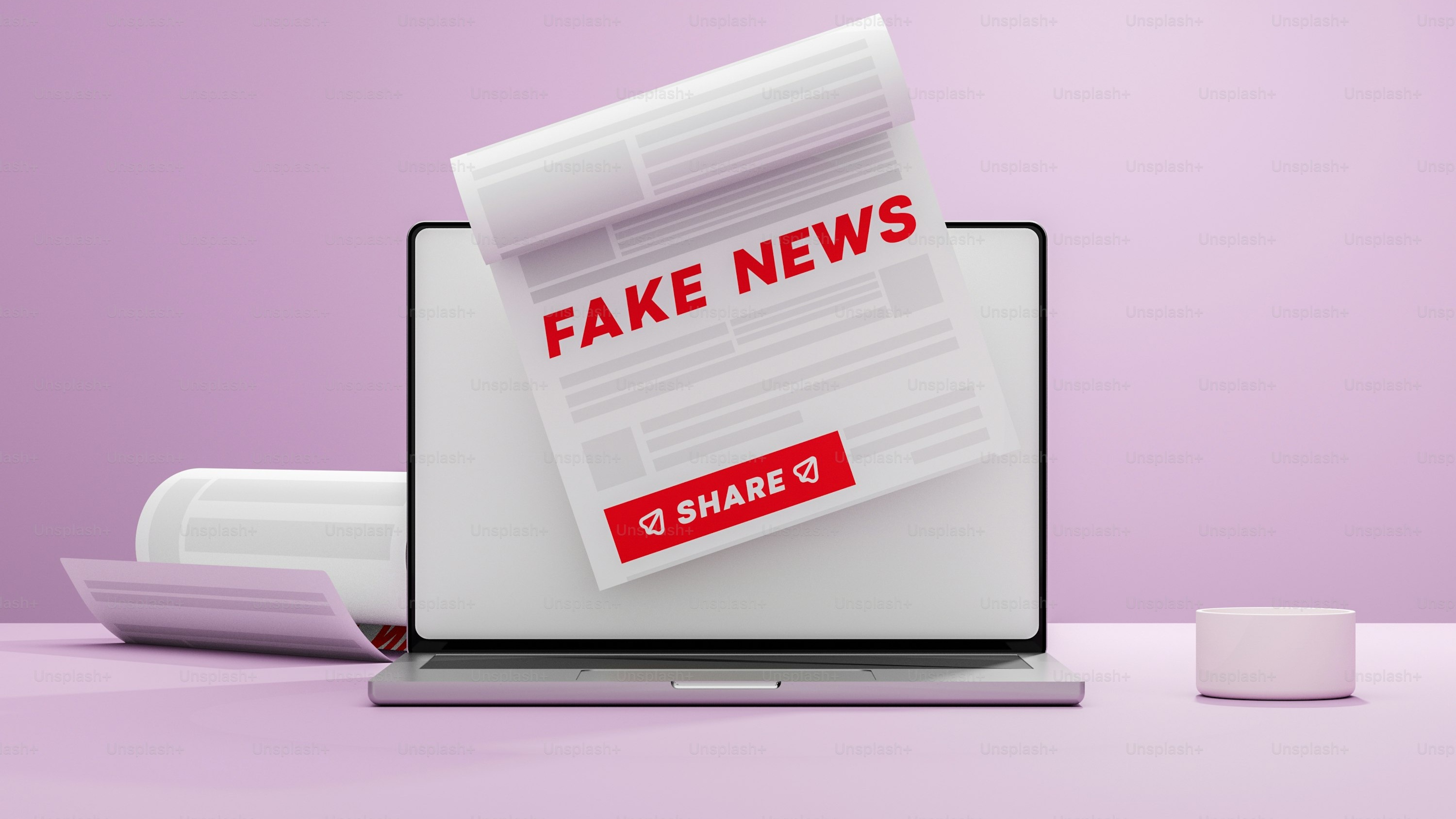
I grew up in a world where you mostly trusted what you read. If it was on the news, in a textbook, or printed in the paper, it had passed through editors and fact-checkers before it reached you.
That world is gone, and it is not coming back.
Today, anyone with a phone can publish to millions. Generative AI can create a photo, a video, or a quote that never happened, in seconds, for free. "Sources" cite each other in circles. Algorithms reward outrage, not accuracy. The result is that being a thoughtful, informed adult in 2026 requires a skill that did not exist a generation ago: digital literacy as a daily practice.
I teach this to my own kids and to every adult I coach, because the cost of getting it wrong is real - bad medical decisions, bad financial decisions, bad political decisions, eroded trust in your own judgment.
Here is the four-question filter I use before I share, cite, or act on anything I read online:
1. Who is the original source? Not the account that posted it. The original. Click through. If you cannot find a primary source, the claim is not yet evidence - it is a rumor.
2. What incentive does that source have? Everyone has one. A peer-reviewed study, a sponsored post, an angry stranger, and a press release are all making claims, but their incentives are wildly different.
3. Is this claim falsifiable? Real claims can be checked. Vague claims ("experts say," "studies show") that never name the experts or studies are designed to feel true without being verifiable.
4. Does the headline match the body? An astonishing number of viral posts collapse the moment you actually read past the headline. The body often contradicts the framing.
This is exactly the problem I built [TruthLens](/truthlens) to help solve. It is a Chrome extension that runs alongside you while you read, surfacing source quality, claim verification, and bias signals in real time - so you do not have to manually run that four-question filter on every article. Think of it as a literacy coach that lives in your browser.
Digital literacy is not about becoming cynical. It is the opposite. It is about earning the right to trust again, on your terms, with your eyes open.
The internet is the most powerful information tool in human history. Let's use it like adults.
That world is gone, and it is not coming back.
Today, anyone with a phone can publish to millions. Generative AI can create a photo, a video, or a quote that never happened, in seconds, for free. "Sources" cite each other in circles. Algorithms reward outrage, not accuracy. The result is that being a thoughtful, informed adult in 2026 requires a skill that did not exist a generation ago: digital literacy as a daily practice.
I teach this to my own kids and to every adult I coach, because the cost of getting it wrong is real - bad medical decisions, bad financial decisions, bad political decisions, eroded trust in your own judgment.
Here is the four-question filter I use before I share, cite, or act on anything I read online:
1. Who is the original source? Not the account that posted it. The original. Click through. If you cannot find a primary source, the claim is not yet evidence - it is a rumor.
2. What incentive does that source have? Everyone has one. A peer-reviewed study, a sponsored post, an angry stranger, and a press release are all making claims, but their incentives are wildly different.
3. Is this claim falsifiable? Real claims can be checked. Vague claims ("experts say," "studies show") that never name the experts or studies are designed to feel true without being verifiable.
4. Does the headline match the body? An astonishing number of viral posts collapse the moment you actually read past the headline. The body often contradicts the framing.
This is exactly the problem I built [TruthLens](/truthlens) to help solve. It is a Chrome extension that runs alongside you while you read, surfacing source quality, claim verification, and bias signals in real time - so you do not have to manually run that four-question filter on every article. Think of it as a literacy coach that lives in your browser.
Digital literacy is not about becoming cynical. It is the opposite. It is about earning the right to trust again, on your terms, with your eyes open.
The internet is the most powerful information tool in human history. Let's use it like adults.