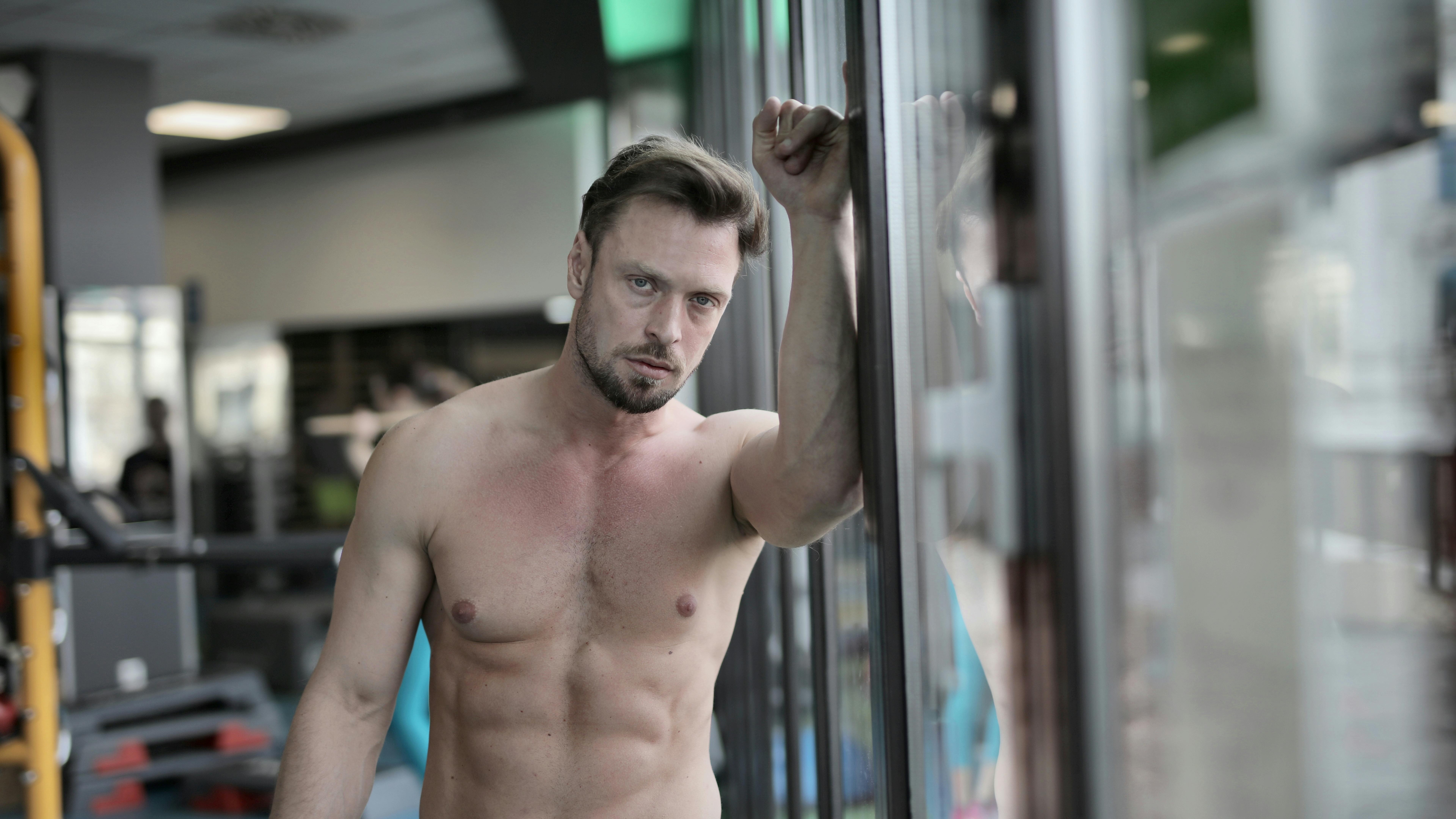
There are moments in life when an idea stops being theoretical and becomes real.
For most of my adult life, I exercised almost religiously. Not perfectly. Not as a professional athlete. But consistently, over the course of roughly three decades, I trained, moved, lifted, pushed, sweated, and kept coming back. It was part discipline, part identity, part therapy, and part survival instinct long before I realized just how literal that last part might become.
Then, in late 2024, my body was pushed to the edge.
I became septic from a massive staph infection and a subcutaneous abscess that had grown inward, hidden beneath the surface of my torso. By the time surgeons opened me up, I was told I was within 24 hours of dying.
That sentence alone is enough to stop a person cold.
Within 24 hours of death.
The surgery saved my life, but surgery was only the beginning.
Recovery Was Brutal
After the operation, I had a tube coming out of my chest to drain the pus caused by the infection. That tube remained in my chest for the next two months. During that time, I also received intravenous antibiotics twice a day.
My body had been through war, and recovery was not clean, fast, or dignified.
It was slow.
It was painful.
It was humbling.
I went from being a fairly active 54-year-old man to someone who could barely move without pain.
It took me one to two days just to begin walking with the help of a walker. It took eight more weeks before I could walk without it. And even that clinical description does not fully capture what it felt like.
What I remember most is the pain.
The sheer, constant pain of movement.
The hurt of existing inside a body that had been cut open, infected, drained, medicated, and reduced to its barest functional state.
I remember being weak in a way I had never known before. I hurt everywhere—from the top of my head to the tips of my fingers to the ends of my toes. Some actions were more difficult than others, of course. Standing up. Shifting position. Trying to move with intention. Everything came at a cost.
Everything required effort.
Everything hurt.
And yet I survived.
More than that, I recovered.
Not easily. Not quickly. But I came back.
What Helped Me Make It Through
A lot of things contributed to that recovery.
- The skill of the surgeons.
- The antibiotics.
- The nursing care.
- The support of my family.
- The grace of God.
All of it mattered.
I would never cheapen that truth by pretending there was only one reason I made it through.
But with time and reflection, I have become deeply convinced of something else:
My long-term commitment to exercise helped save my life.
I believe that with all my heart.
Not because exercise made me immune. It clearly did not.
Not because it prevented catastrophe. It clearly did not do that either.
But because when my body was dragged into the deepest crisis of my life, it had something in reserve.
Something built over years.
Something earned through thousands of workouts.
Something strengthened by decades of discipline.
Exercise had built a foundation that I did not fully appreciate until everything else fell apart.
The Real Value of Exercise
It had built:
- Cardiovascular capacity.
- Muscular endurance.
- Structural resilience.
- Recovery habits.
- Pain tolerance.
- Mental discipline.
- A familiarity with discomfort.
- A relationship with effort.
That matters.
We often think of exercise in cosmetic terms: weight loss, appearance, looking leaner, looking younger, looking more fit.
But that is the shallowest possible reading of what movement can do for a human life.
The deeper value of exercise is not aesthetic.
It is functional.
It is protective.
And sometimes, it may even be lifesaving.
Every walk, every lift, every workout, every day you choose movement over stagnation, you may be building survival capacity without even realizing it.
That is what I believe I had.
When I was too weak to move, maybe those years of movement mattered.
When I was trying to stand, maybe those years of training mattered.
When I was dragging myself through the agony of recovery, maybe those years of discipline mattered.
When my system had been pushed to the brink, maybe the body I had spent decades caring for still had enough left in the tank to fight.
I cannot prove that in a laboratory.
I am not claiming a controlled experiment.
I am speaking from lived experience, reflection, and conviction.
And my conviction is strong:
If I had spent the previous thirty years sedentary, neglecting my body, and living without meaningful physical discipline, I do not believe this story ends the same way.
I do not.
Exercise Is More Than Fitness
That belief has only deepened my respect for exercise.
Not as vanity.
Not as punishment.
Not as obsession.
But as stewardship.
Movement is not always about performance. Sometimes it is preparation.
- Preparation for aging.
- Preparation for stress.
- Preparation for illness.
- Preparation for the unknown.
- Preparation for the day your body is forced into a battle you never saw coming.
You do not get to choose every crisis.
But you do get some say in how prepared your body is when crisis arrives.
That is one of the lessons my recovery burned into me.
Another is that fitness is not just physical. My recovery demanded patience, humility, mental endurance, gratitude, and faith. It stripped away any illusion that strength is about domination or control.
Real strength, I learned, is often quieter than that.
Real strength is the willingness to keep going when every movement hurts.
It is accepting help.
It is enduring weakness without surrendering your identity.
It is trusting that what feels lost may still be rebuilt.
And it is recognizing that the work you did years ago may be carrying you now.
What I Know Now
I am grateful for my family. Grateful for the care I received. Grateful for the people who helped keep me alive.
And I am also grateful for every season of my life when I chose to exercise even when I did not feel like it, even when it was inconvenient, even when the results were invisible, and even when I had no idea those choices might one day help me survive.
Because now I know better.
Those workouts were not just workouts.
They were deposits.
They were preparation.
They were insurance.
They were a form of respect for the body God gave me.
And in ways I may never fully measure, they may have helped carry me through the hardest physical ordeal of my life.
So when I talk about health, fitness, and discipline now, I do so with even more conviction than before.
Exercise is not a side hobby.
It is not optional fluff.
It is not merely about looking good in the mirror.
It is one of the most practical ways we can build resilience for the life we hope to live—and the emergencies we pray never come.
I almost died in late 2024.
And while many forces helped pull me back, I am convinced that thirty years of faithful exercise was one of them.
That belief is no longer abstract for me.
It is personal.
It is painful.
It is earned.
And it is one more reason I will spend the rest of my life telling people to move.
Start Today
If you are healthy enough to move today, do not take that for granted.
Start where you are.
Walk. Stretch. Lift. Breathe. Build capacity.
Your future self may need it more than you know.
At FitnessGeek Solutions, I believe health is about far more than appearance. It is about resilience, function, discipline, and building a life strong enough to endure what you cannot predict.
Explore the blog, follow the mission, and join me in building a stronger body, a stronger mind, and a stronger future.